1. The Era or Cultural Moment Where the Design Emerged
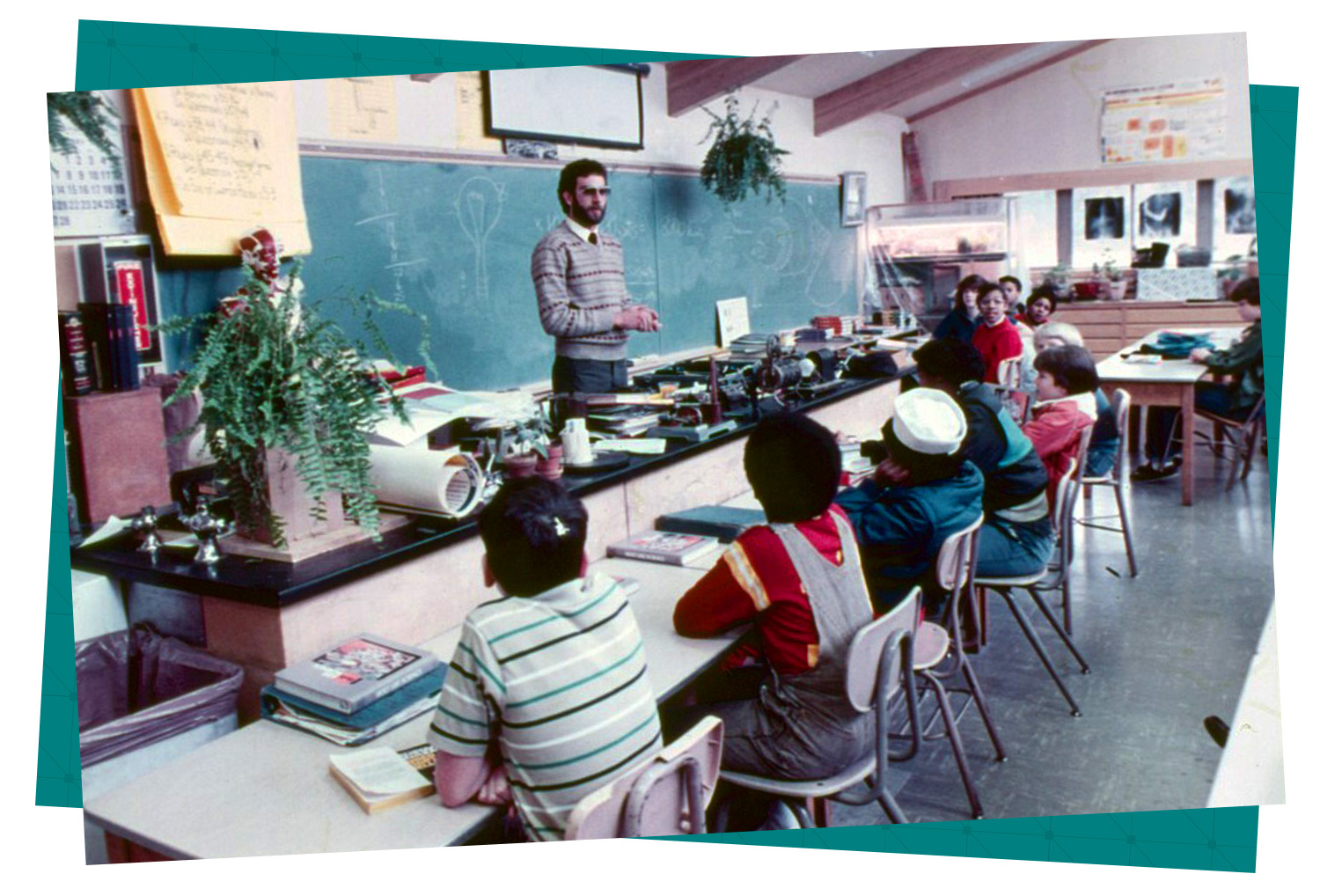
The late 1980s into the early 1990s gave rise to one of the most playful product design eras in recent memory. The malaise of the 1970s was over, and designers were feeling playful.
This was a time when youth culture embraced color, personality, and visual excess. Bedrooms were filled with neon accents. Early computers and arcade machines introduced a generation to digital graphics, bright interfaces, and futuristic aesthetics.
Even everyday objects reflected that optimism.
School supplies, organizers, and accessories no longer felt purely functional—they became part of personal style.
A Trapper Keeper was not just a binder. A Caboodle was not just storage. They were statements.
2. The Problem Being Solved, Not Just the Final Look
These products were solving a deceptively simple challenge:
How do you make organization exciting—especially for kids and teenagers?
Folders, binders, and storage boxes are inherently practical objects. But these brands understood something important: Young people do not simply want useful things. They want products that reflect their identity.
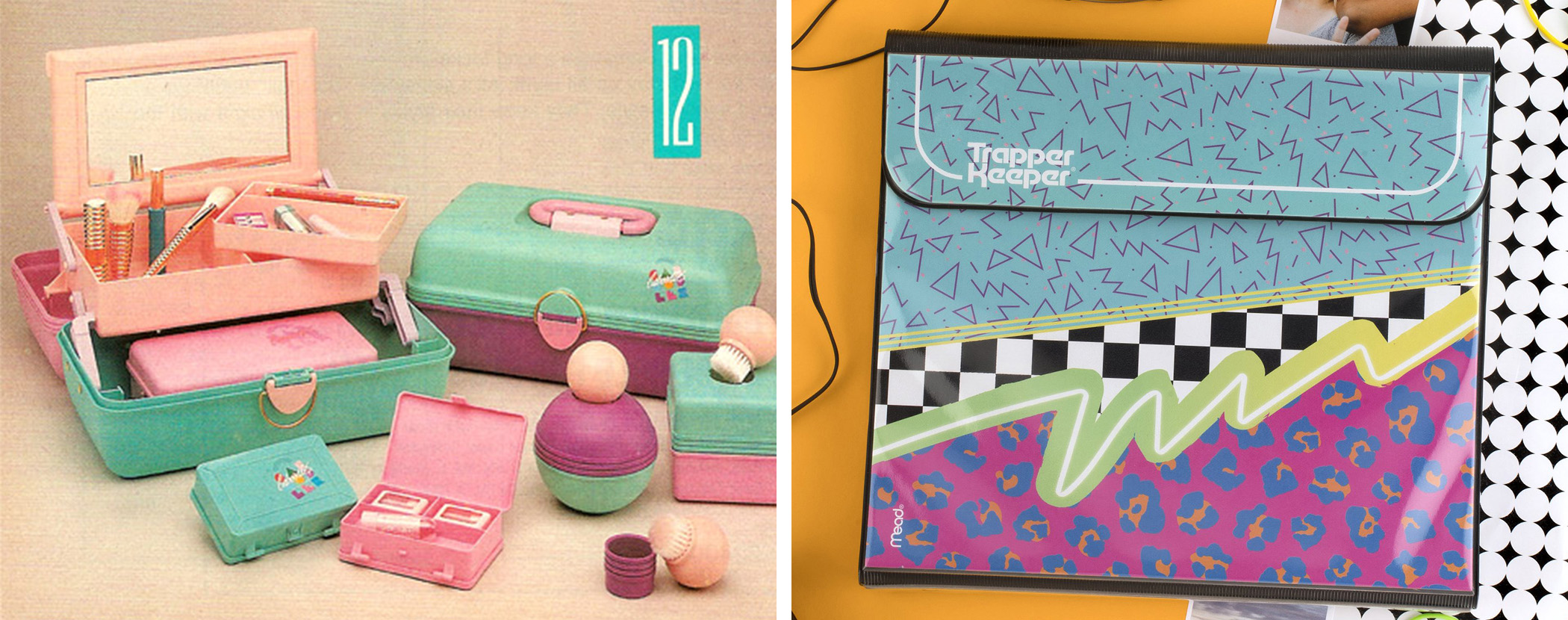
Trapper Keepers and Caboodles transformed dull organizational tools into accessories people actually wanted to own, carry, and show off. They made structure feel fun. They made responsibility feel stylish. And perhaps most importantly—they taught an entire generation that good organization could still have personality.
3. The Design Language They Borrowed from Other Eras
These products borrowed heavily from the visual culture surrounding them.
Their influences included:
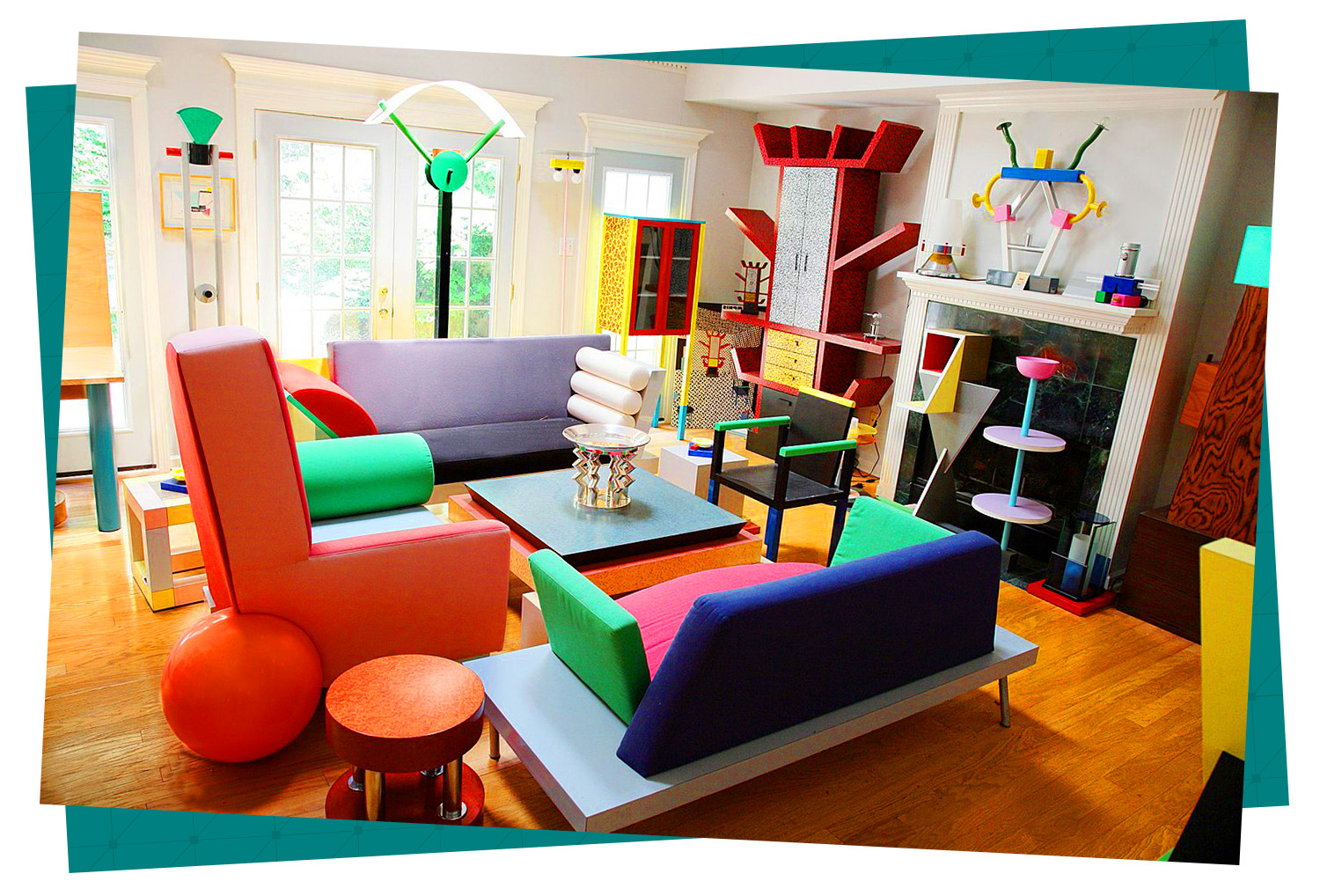
- Memphis Group - The Italian design group from Ettore Sottsass. In the early 80s, they pioneered an aesthetic of bright colors and geometric shapes. It was here that the most iconic “80s” began: https://en.wikipedia.org/wiki/Memphis_Group
- Space-age futurism, borrowing rounded forms and sleek “next generation” styling
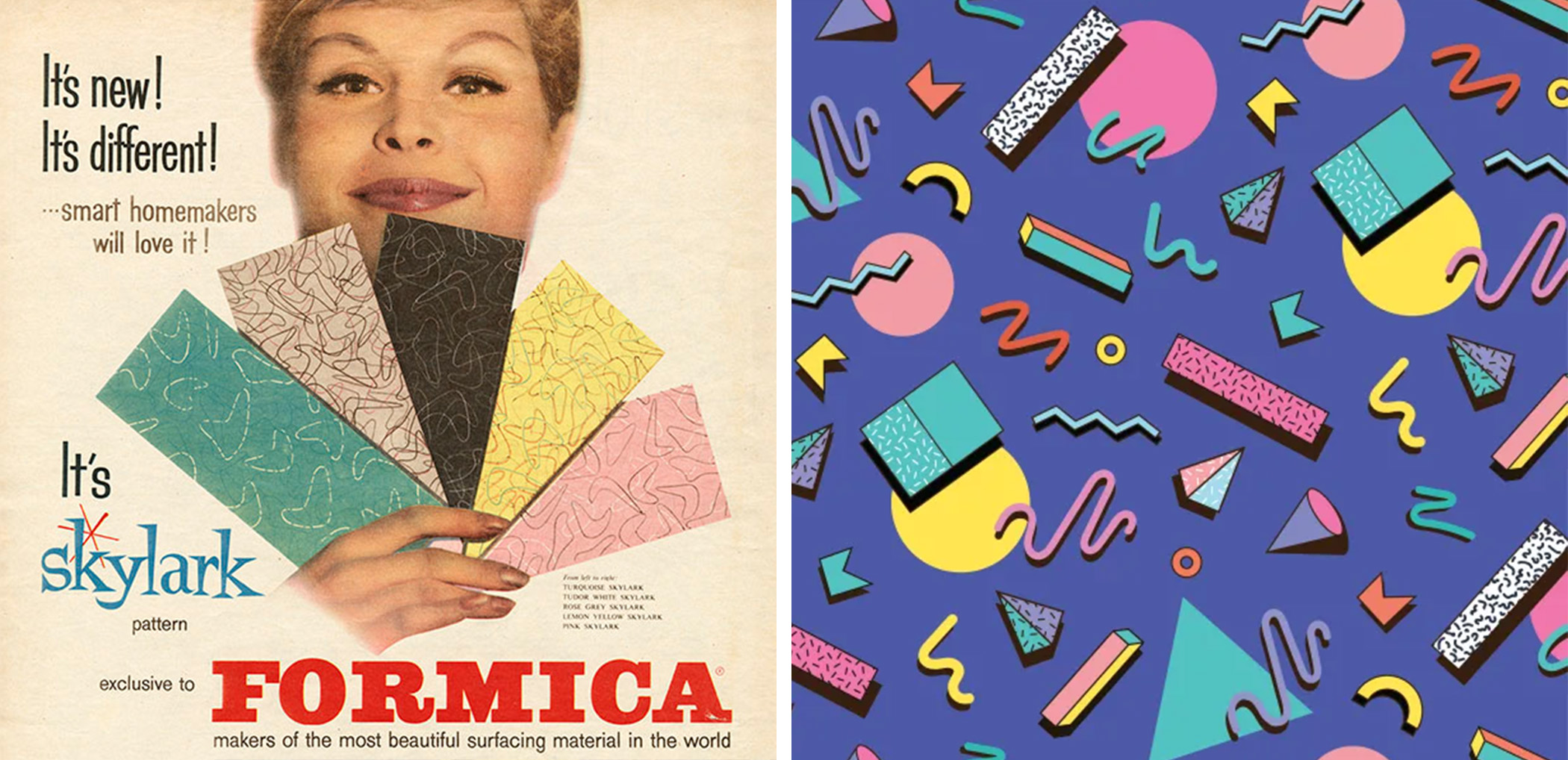
- 1950s patterns. Repetition of geometric shapes. The 1950s it was the kidney bean and stars, in the late 1980s and early 1990s, it was squiggles and zigzags.
- Roller rink and mall signage, contributing chrome effects, gradients, and neon palettes
The result was a unique blend of practical utility and pop-culture flair. It felt futuristic. It felt expressive. And above all—it felt fun.
4. The Constraints That Shaped the Outcome
These products were shaped by both manufacturing and practical constraints. Designers had to work within:
- Durability needs, as products had to survive backpacks, lockers, and everyday wear
- Mass-market pricing, needing to feel premium while remaining affordable
- Storage limitations, balancing visual flair with real organizational utility
- Youth usability, ensuring compartments and closures were intuitive and tactile
- Affordable plastic manufacturing, requiring injection-molded forms and repeated shapes. (We’re talking about Kaboodles here.)
Those constraints pushed designers toward clever compartment systems, bold plastic forms, bright finishes, and satisfying physical interactions. Snaps. Velcro. Fold-over flaps. Sliding trays.
These were not just functional details—they made the product more enjoyable to use.
5. The Transferable Principles You Can Apply Today
Build a system, not just a logo. Caboodles wasn’t successful because of their colorful blocky logo. They succeeded thanks to their cohesive visual language and identity that scaled across products and advertising. A strong brand expands with the company, and includes your audience with it.
Utilities can still be expressive and enjoyable. Trapper Keepers made organization something kids actually wanted to do. Functionality and personality don’t need to compete. A binder that reflects your identity gets more used, cared for, and remembered. The same holds true for apps, websites, and packaging.
Details create delight. The snap of a plastic clasp. The satisfying sliding of a tray. These aren’t accidental outcomes, but an intentional experience. Small sensory decisions are often what separate the forgettable from the loved.
Emotional attachment is a design goal. When a tool feels like an extension of who you are, you bond with it. When you’re building a product, brand, or digital experience, ask yourself if it gives people away to see themselves in it.
Final Thought
Trapper Keepers and Caboodles may seem trivial in hindsight. But in many ways, they introduced an entire generation to an important idea:
Good design can make ordinary things feel special.
They proved that even something as mundane as organization could become exciting when approached creatively.
And perhaps that is the enduring lesson. If you are building a product, designing a service, or creating an experience—do not assume practicality alone is enough.
Because people rarely fall in love with things that merely work. They remember the things that make utility feel delightful.
BONUS: More pricey, less essential, but take a look at what Swatch was doing in the same period. Epic watches for your wrist, for your wall. And even a fun phone. Once you know about the Memphis Group, you see it as the defining aesthetic of the 80s.